Watery Eyes & Blocked Tear Ducts: Understanding Lacrimal Disorders
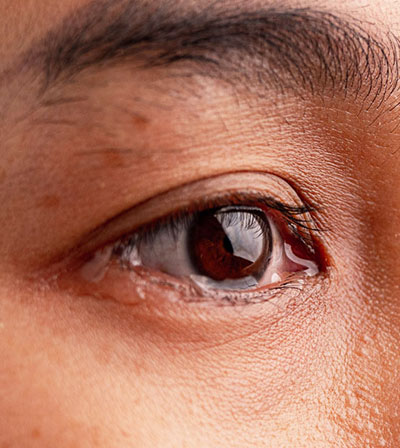
Watery eyes, medically known as epiphora, are a common concern that can occur when the eyes produce too many tears or when tears do not drain properly through the normal tear drainage system.
While occasional watering may be related to temporary irritation, persistent or unexplained watering can sometimes indicate a problem involving the lacrimal system. Identifying the underlying cause is important because treatment depends on whether the problem is related to excessive tear production, blocked drainage, eyelid position, or another eye condition.
How Does the Tear Drainage System Work?
Tears continuously keep the surface of the eye moist and help protect it. Under normal circumstances, tears drain through tiny openings called puncta, located near the inner corners of the upper and lower eyelids.
From the puncta, tears pass through small canaliculi into the lacrimal sac and then through the nasolacrimal duct into the nose. Any narrowing or blockage along this pathway can interfere with normal tear drainage and result in persistent watering.
What Causes Watery Eyes?
Persistent watering can have several different causes. Some common causes include:
- Blocked or Narrowed Tear Ducts
A partial or complete blockage in the tear drainage pathway can prevent tears from draining normally, causing them to overflow onto the cheeks. - Dry Eye
Dryness or irritation of the eye surface can sometimes trigger reflex tear production. This may result in watering even though the underlying problem is insufficient or unstable tear film. - Eyelid Malposition
Changes in the position of the eyelids can interfere with the normal movement of tears towards the puncta and may contribute to watering. - Eyelid or Facial Changes
Age-related changes, previous surgery, trauma, or other conditions around the eyelids may affect tear drainage. - Eye Surface Irritation
Allergies, inflammation, foreign bodies, infections, or other sources of irritation can increase tear production. - Lacrimal System Abnormalities
Problems involving the puncta, canaliculi, lacrimal sac, or nasolacrimal duct can interfere with normal tear drainage.
What Are the Symptoms of Lacrimal Disorders?
The symptoms can vary depending on the underlying cause. Common symptoms may include:
- Persistent watering or tears running down the cheeks
- Recurrent irritation around the eyes
- Discomfort or redness near the inner corner of the eye
- Sticky or mucous discharge in some cases
- Repeated eye infections
- Blurred vision caused by excessive tears on the eye surface
- Swelling or tenderness near the inner corner of the eye
- Watering that becomes worse in cold, windy, or dusty conditions
Not everyone with watery eyes has a blocked tear duct. A proper examination is needed to determine the actual cause.
Blocked Tear Ducts: What Does It Mean?
A blocked tear duct occurs when tears cannot pass normally through part of the tear drainage system. The blockage may be partial or complete and can occur at different points along the drainage pathway.
In adults, tear duct narrowing or blockage may develop gradually and can sometimes be associated with ageing, inflammation, infection, trauma, previous surgery, or other changes affecting the lacrimal system.
In some patients, the cause of the blockage may not be immediately apparent. A detailed lacrimal assessment helps determine the location and nature of the obstruction.
How Are Lacrimal Disorders Diagnosed?
A detailed examination is important because watery eyes can result from problems with either tear production or tear drainage.
During an evaluation, an oculoplastic specialist may assess:
- The eyelid position and movement
- The position and appearance of the puncta
- The eye surface and tear film
- The surrounding eyelid and periocular structures
- The tear drainage pathway
- Signs of inflammation, infection, or other abnormalities
Depending on the findings, the tear drainage system may be tested using procedures such as probing and syringing. In selected cases, imaging or further evaluation may be recommended to understand the anatomy and location of a blockage.
How Are Watery Eyes Treated?
Treatment depends on the cause of the watering. There is no single treatment that is appropriate for every patient.
- Treatment of Eye Surface Problems
If watering is related to dry eye, allergy, inflammation, or another surface condition, treating the underlying problem may help reduce excessive tearing. - Treatment of Eyelid Problems
If abnormal eyelid position or movement is contributing to watering, appropriate eyelid treatment may be considered. - Punctal Procedures
When narrowing or blockage involves the punctum, selected procedures may be used to improve tear entry into the drainage system. - Tear Duct Probing
In suitable cases, probing may be performed to assess or treat narrowing within the tear drainage pathway. - Endoscopic Lacrimal Procedures
Selected patients with tear duct obstruction may benefit from an endoscopic approach to the lacrimal drainage system. - Dacryocystorhinostomy (DCR)
For certain nasolacrimal duct blockages, DCR surgery may be considered to create a new pathway for tears to drain into the nose.
What Is Dacryocystorhinostomy?
Dacryocystorhinostomy (DCR) is a surgical procedure used to treat certain blockages of the nasolacrimal drainage system. The procedure creates an alternative drainage pathway between the lacrimal sac and the nasal cavity.
DCR can be performed through an external approach or, in selected patients, using an endoscopic approach through the nose. The most appropriate technique depends on the location of the obstruction, anatomy, previous procedures, and individual clinical findings.
External & Endoscopic Lacrimal Surgery
Lacrimal surgery can be approached in different ways depending on the underlying problem. External and endoscopic techniques are both used in appropriate cases.
Endoscopic lacrimal procedures can provide access to the tear drainage pathway through the nasal cavity, avoiding an external skin incision. However, the choice of approach should be based on the patient's individual anatomy and condition rather than on a single technique being suitable for everyone.
When Should You See a Lacrimal Specialist?
Consider seeking an ophthalmic or oculoplastic evaluation if you experience:
- Persistent or recurrent watering of one or both eyes
- Tears frequently running down the cheeks
- Repeated discharge or infections near the inner corner of the eye
- Swelling or tenderness around the lacrimal sac
- Watering that does not improve with routine eye care
- Watering following previous eye, eyelid, or facial surgery
- Changes in eyelid position associated with excessive tearing
Persistent watering should not simply be assumed to be a blocked tear duct. A proper assessment can help identify the actual cause and avoid unnecessary treatment.
Why Early Evaluation Matters
Although watery eyes may seem like a minor inconvenience, persistent tearing can interfere with daily activities, reading, driving, work, and overall comfort.
More importantly, watering can sometimes be a sign of an underlying eyelid, ocular surface, or lacrimal drainage problem. Identifying the cause early allows treatment to be directed towards the actual condition.
Lacrimal Care with an Oculoplastic Specialist
The lacrimal system is closely connected to the eyelids, eye surface, and surrounding facial structures. Oculoplastic specialists have focused expertise in the evaluation and treatment of conditions affecting these areas.
Depending on the diagnosis, treatment may range from conservative management to specialised procedures, including external or endoscopic lacrimal surgery when appropriate.
Take the Right Step Towards Better Eye Care
Persistent watering is common, but it is not something you always have to live with. Understanding whether the problem is caused by excessive tear production, poor drainage, eyelid changes, or another condition is the first step towards appropriate care.
Dr. Akruti Desai specialises in ophthalmic plastic surgery, with expertise in lacrimal and tear duct disorders, including external and endoscopic approaches to lacrimal care.
Book a consultation to understand the cause of your watery eyes and discuss the evaluation and treatment options suited to your condition.