Eye Cancer
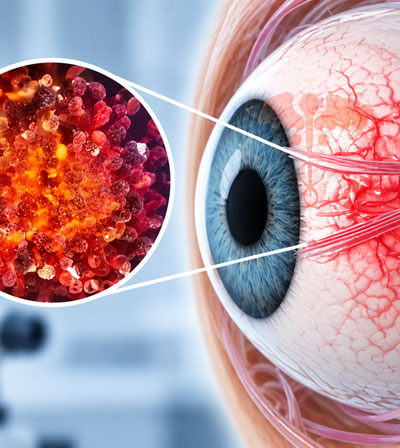
Eye cancer refers to cancers that develop in or around the eye. Depending on where the cancer originates, it may involve the eyeball, eyelids, orbit, or other structures surrounding the eye. Early evaluation is important because some eye cancers may initially produce subtle or nonspecific symptoms.
Dr. Akruti Desai provides specialised evaluation and oculoplastic care for conditions involving the eyelids, orbit, and surrounding structures of the eye. When a suspicious lesion or tumour is identified, assessment is directed towards establishing an accurate diagnosis and determining the most appropriate treatment approach.
Understanding Eye Cancer
Eye cancers can arise from different tissues and may be benign or malignant. Some cancers develop within the eye, while others can affect the eyelids, orbit, or tissues around the eye.
The presentation of eye cancer varies depending on the type, location, and extent of the lesion. Some lesions may appear as a visible growth or change in the eyelid, while others may cause changes in vision, eye position, or the appearance of the eye.
Because several non-cancerous conditions can look similar to a suspicious lesion, specialist assessment is important before assuming that a growth is cancerous.
Benefits of Specialized Eye Cancer Care
Detailed Evaluation
Careful assessment of suspicious lesions and changes affecting the eye, eyelids, orbit, and surrounding tissues.
Accurate Diagnosis
Clinical assessment and appropriate investigations help establish the nature and extent of a suspicious lesion.
Function-Focused Care
Treatment planning considers the protection and function of the eye and surrounding structures.
Oculoplastic Expertise
Specialized expertise in eyelid and orbital conditions supports comprehensive management of selected eye cancers.
Common Types of Eye Cancer
Eye cancer can affect different parts of the eye and surrounding structures. Depending on the location, it may include:
- Eyelid Tumours – Abnormal growths affecting the skin or tissues of the eyelids, which may be benign or malignant.
- Orbital Tumours – Tumours arising within the orbit, including lesions involving orbital soft tissues.
- Intraocular Tumours – Tumours developing within the structures of the eyeball.
- Conjunctival Tumours – Lesions affecting the thin membrane covering the visible surface of the eye.
- Periocular Tumours – Tumours involving tissues around the eye and eyelids.
Signs & Symptoms That Need Attention
Eye cancer does not always cause obvious symptoms in its early stages. Depending on the location and type of lesion, possible warning signs may include:
- A new or growing lump around the eye or eyelid
- A persistent sore or ulcer on the eyelid
- A change in the size, shape, or colour of an existing lesion
- Unexplained bleeding or crusting from an eyelid lesion
- Loss of eyelashes around a suspicious eyelid lesion
- Persistent swelling around the eye
- Bulging or forward displacement of the eye
- Changes in eye movement or double vision
- Unexplained changes in vision
- A new or unusual change in the appearance of the eye
These signs do not necessarily mean that a lesion is cancerous, but persistent or changing lesions should be appropriately evaluated.
What Causes Eye Cancer?
The causes and risk factors for eye cancer vary depending on the type of cancer. Some cancers may develop without an identifiable cause, while certain factors can increase risk.
- Age and natural changes in the tissues around the eye
- Exposure to ultraviolet radiation in certain types of eyelid and ocular surface cancers
- Certain inherited or genetic conditions
- Previous or underlying medical conditions in selected cases
- Immune system-related factors in some types of cancer
Risk factors vary considerably between different types of eye cancer, and having a risk factor does not mean that a person will necessarily develop cancer.
How Is Eye Cancer Diagnosed?
A suspicious lesion or orbital mass requires careful assessment to determine its nature and extent. Depending on the location, the evaluation may include:
- Detailed examination of the eyelids and surrounding tissues
- Examination of the eye and ocular surface
- Assessment of eye position and movement
- Evaluation of vision and relevant eye functions
- Clinical assessment of the size, location, and characteristics of a suspicious lesion
- Imaging such as CT or MRI when indicated
- Biopsy or tissue examination when required to establish a definitive diagnosis
The appropriate investigations depend on the suspected diagnosis and the location of the lesion. A specialist may also coordinate further evaluation with other relevant medical teams.
Why Early Evaluation Matters
A new or changing lesion around the eye should not be ignored, particularly when it persists, grows, bleeds, develops an ulcer, or causes changes in the surrounding tissues.
Early specialist assessment can help determine whether the lesion requires observation, further investigation, biopsy, or treatment. Establishing the diagnosis is an important step in developing an appropriate management plan.
Personalized Eye Cancer Management
Treatment for eye cancer depends on the type, location, size, stage, and extent of the tumour, as well as the patient's overall health and individual circumstances.
Dr. Akruti Desai carefully evaluates the clinical findings and relevant investigations before discussing appropriate management options. Depending on the condition, care may involve observation, biopsy, surgical treatment, or coordination with other specialists.
- Detailed assessment of suspicious eyelid and periocular lesions
- Evaluation of orbital tumours and masses
- Review of relevant imaging and investigations
- Biopsy or tissue diagnosis when indicated
- Surgical planning for selected lesions
- Coordination of multidisciplinary care when required
- Appropriate follow-up and monitoring
Treatment Approaches for Eye Cancer
Treatment is determined according to the specific type and extent of the cancer. Depending on the diagnosis, management may include:
-
Observation & Monitoring
Selected lesions may be monitored when immediate intervention is not required and observation is considered appropriate. -
Biopsy
A tissue sample may be required to determine the exact nature of a suspicious lesion and guide further treatment. -
Surgical Removal
Selected eyelid, periocular, or orbital tumours may require surgical removal depending on their type and extent. -
Reconstructive Surgery
When removal of a lesion creates a structural defect, reconstructive techniques may be considered to restore the eyelid or surrounding tissues. -
Multidisciplinary Treatment
Some cancers may require coordinated care involving ophthalmologists, oncologists, pathologists, radiologists, or other specialists.
Eyelid Cancer & Reconstruction
Malignant eyelid lesions may require removal while carefully considering the structures responsible for eyelid closure and eye protection.
In selected cases, reconstruction may be performed after tumour removal to restore eyelid structure and function. The reconstructive technique depends on the location and size of the defect and the tissues involved.
The goal of reconstruction is to support appropriate eyelid function while also considering the appearance and symmetry of the surrounding area.
Orbital Tumours & Eye Cancer
Tumours involving the orbit can arise from different tissues and may be benign or malignant. Their symptoms and behaviour can vary depending on their location and growth pattern.
Progressive eye prominence, swelling, double vision, changes in eye movement, or visual symptoms may sometimes be associated with an orbital mass and should be appropriately evaluated.
Depending on the suspected diagnosis, imaging and tissue diagnosis may be important in determining the most appropriate treatment plan.
When Should You See an Eye Cancer Specialist?
Consider seeking specialist evaluation if you notice:
- A new or enlarging lump around the eye
- A persistent eyelid sore or ulcer
- A lesion that repeatedly bleeds or develops crusting
- Loss of eyelashes around a suspicious eyelid lesion
- A noticeable change in an existing mole or skin lesion
- Persistent swelling around the eye
- New or progressive eye prominence
- Double vision or restricted eye movement
- Unexplained changes in vision
Any rapidly changing lesion or sudden visual change should be assessed promptly by an appropriate eye specialist.
Specialised Eye Cancer Care by Dr. Akruti Desai
Dr. Akruti Desai specialises in ophthalmic plastic surgery, with expertise in eye cancer, orbital tumours and inflammations, functional and cosmetic eyelid care, lacrimal disorders, periocular trauma, reconstruction, and aesthetic services.
Her approach combines specialised training with careful clinical assessment and attention to individual patient needs. Treatment recommendations are made after understanding the patient's symptoms, clinical findings, investigations, and treatment goals.