Orbital Disorders
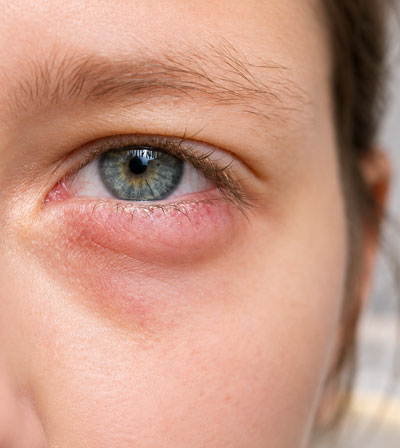
The orbit is the bony cavity surrounding and protecting the eye. It contains the eyeball along with important structures including the eye muscles, nerves, blood vessels, glands, fat, and connective tissues. Conditions affecting these structures are known as orbital disorders.
Orbital disorders can have a variety of causes and may affect the position, movement, comfort, or function of the eye. Dr. Akruti Desai provides specialised oculoplastic evaluation and care for orbital conditions, including orbital tumours, inflammations, thyroid-related orbital disease, and other disorders affecting the tissues around the eye.
Understanding Orbital Disorders
The orbit is a complex anatomical space where several delicate structures work together to support and protect the eye. A disorder affecting one structure can sometimes influence the position, movement, or function of the eye.
Orbital conditions may develop gradually or appear more suddenly. Some may be related to inflammation or autoimmune conditions, while others can be associated with tumours, infections, trauma, vascular abnormalities, or other structural changes.
Because orbital conditions can have different causes and may present with similar symptoms, a detailed assessment is important before deciding on an appropriate treatment approach.
Benefits of Specialized Orbital Care
Detailed Orbital Assessment
Careful evaluation helps identify changes involving the eye, orbit, eyelids, and surrounding structures.
Accurate Diagnosis
A structured assessment helps determine the possible cause and nature of an orbital condition.
Individualized Treatment
Management is planned according to the diagnosis, symptoms, severity, and structures involved.
Oculoplastic Expertise
Specialized expertise supports comprehensive care for conditions affecting the orbit and surrounding tissues.
Common Orbital Disorders
Orbital conditions can vary significantly depending on the structures involved and the underlying cause. Common conditions that may require specialist evaluation include:
- Orbital tumours and masses
- Orbital inflammations
- Thyroid Eye Disease
- Orbital infections
- Vascular orbital conditions
- Orbital disorders associated with trauma
- Other structural conditions affecting the orbit
Symptoms of Orbital Disorders
Symptoms can differ depending on the location, size, and nature of the orbital condition. Possible symptoms may include:
- Bulging or forward displacement of the eye
- Swelling around the eye or eyelids
- Pain or pressure around the eye
- Double vision
- Changes in eye movement
- Changes in the position or alignment of the eye
- Reduced or blurred vision
- Persistent redness or inflammation
- A noticeable lump or swelling around the eye
Some orbital disorders may develop slowly and cause subtle changes, while others may progress more quickly. Persistent or unexplained symptoms should be evaluated appropriately.
Orbital Tumours & Masses
Orbital tumours are abnormal growths that develop within or around the eye socket. They can arise from different tissues and may be benign or malignant.
Their symptoms depend on their location and the structures they affect. Some orbital tumours may cause progressive eye prominence, swelling, double vision, changes in eye movement, or visual disturbances, while others may initially produce few noticeable symptoms.
Appropriate evaluation helps determine the location and characteristics of an orbital lesion and guides decisions regarding observation, further investigation, biopsy, or treatment.
Orbital Inflammation
Orbital inflammation can affect the tissues surrounding the eye and may cause pain, swelling, redness, restricted eye movement, or changes in the position of the eye.
Inflammation can have different causes, including autoimmune and inflammatory conditions. Not every case of orbital inflammation is related to infection, which is why identifying the underlying cause is an important part of evaluation.
Treatment is selected according to the specific diagnosis and may involve medical management, monitoring, or other interventions when appropriate.
Orbital Disorders Related to Thyroid Disease
Thyroid Eye Disease is one of the important conditions affecting the orbit. It can cause inflammation and changes in the muscles, fat, and other tissues surrounding the eyes.
Patients may experience eye prominence, eyelid retraction, swelling, dryness, restricted eye movements, or double vision. The condition can change over time, making appropriate assessment and monitoring important.
Management depends on the activity and severity of the disease and may involve supportive care, medical treatment, or oculoplastic procedures in selected cases.
How Are Orbital Disorders Diagnosed?
Because different orbital conditions can produce similar symptoms, a detailed clinical evaluation is important.
During an orbital assessment, an oculoplastic specialist may evaluate:
- Eye position and prominence
- Eyelid position and movement
- Eye movements and alignment
- Vision and relevant eye functions
- The tissues around the eye
- Signs of inflammation or infection
- Any visible or palpable orbital swelling or mass
Depending on the clinical findings, imaging such as CT or MRI of the orbit may be recommended. In selected cases, further investigations or a biopsy may be required to establish a diagnosis.
Personalized Orbital Disorder Management
There is no single treatment approach for all orbital disorders. Management depends on the underlying diagnosis, location and extent of the condition, symptoms, eye function, and the patient's overall health.
Dr. Akruti Desai carefully evaluates the clinical findings and relevant investigations before recommending an appropriate treatment plan. Depending on the condition, management may involve observation, medical treatment, biopsy, surgery, or coordinated multidisciplinary care.
- Detailed evaluation of the orbit and surrounding structures
- Assessment of eye position and movement
- Review of relevant imaging and investigations
- Identification of the underlying orbital condition
- Individualized treatment planning
- Appropriate follow-up and monitoring
Treatment Approaches for Orbital Disorders
Treatment depends on the specific orbital condition and its severity. Depending on the diagnosis, management may include:
-
Observation & Monitoring
Some stable or less concerning orbital conditions may be monitored with regular clinical assessment and imaging. -
Medical Treatment
Inflammatory, autoimmune, or infectious orbital conditions may require condition-specific medical management. -
Biopsy
A tissue sample may be recommended when the nature of an orbital mass or lesion needs to be established. -
Surgical Treatment
Surgery may be considered for selected orbital tumours, structural abnormalities, trauma-related conditions, or other problems affecting eye function. -
Multidisciplinary Care
Certain complex orbital conditions may benefit from coordinated care involving ophthalmology, oncology, endocrinology, radiology, or other specialists.
Orbital Surgery
Orbital surgery may be considered when a condition requires tissue removal, structural correction, biopsy, decompression, or another surgical intervention.
The surgical approach depends on the location and nature of the condition, the structures involved, and the overall treatment plan. Careful planning is particularly important because the orbit contains delicate structures that are closely connected to the eye and visual system.
- Surgery for selected orbital tumours or masses
- Biopsy of orbital lesions when indicated
- Surgical management of selected inflammatory or structural conditions
- Management of selected trauma-related orbital problems
- Procedures addressing functional or structural orbital changes
When Should You Seek Orbital Evaluation?
Persistent or unexplained changes around the eye should not always be considered a cosmetic concern. Consider seeking specialist evaluation if you notice:
- New or progressive bulging of the eye
- Persistent swelling around the eye
- Unexplained pain or pressure around the eye
- New or persistent double vision
- Changes in eye position or movement
- A growing lump or swelling around the eye
- Unexplained changes in vision
- Persistent inflammation without a clear cause
- Changes around the eye following trauma
Sudden or rapidly worsening symptoms, particularly changes in vision, require prompt ophthalmic assessment.
Specialised Orbital Care by Dr. Akruti Desai
Dr. Akruti Desai specialises in ophthalmic plastic surgery, with expertise in orbital tumours and inflammations, Thyroid Eye Disease, functional and cosmetic eyelid care, lacrimal disorders, periocular trauma, reconstruction, and aesthetic services.
Her approach combines specialised training with careful clinical assessment and attention to individual patient needs. Treatment recommendations are made after understanding the patient's symptoms, clinical findings, anatomy, investigations, and treatment goals.