Thyroid Eye Disease: Symptoms, Causes & Treatment
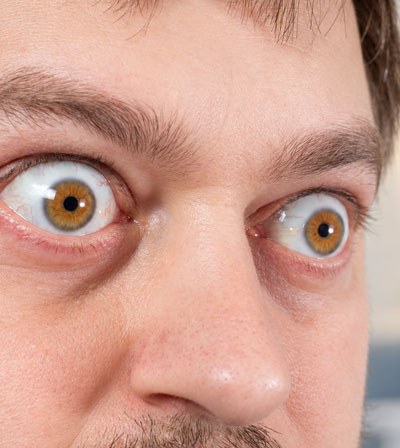
Thyroid Eye Disease (TED), also known as thyroid-associated orbitopathy, is an inflammatory condition that affects the tissues and muscles around the eyes. It is commonly associated with thyroid disorders, particularly Graves' disease, but eye symptoms can sometimes occur even when thyroid hormone levels are normal.
TED can affect the eyelids, eye muscles, orbital tissues, and the surface of the eye. The severity and symptoms can vary from person to person, making early evaluation and appropriate monitoring important.
What Is Thyroid Eye Disease?
Thyroid Eye Disease is an autoimmune condition in which the body's immune system causes inflammation and changes in the tissues surrounding the eyes. This can lead to swelling of the eyelids and orbital tissues and, in some patients, enlargement or stiffness of the eye muscles.
These changes may affect the appearance of the eyes as well as their movement, comfort, and function. TED can occur during periods of active inflammation and may later enter a more stable phase.
What Causes Thyroid Eye Disease?
Thyroid Eye Disease is related to an abnormal immune response involving tissues around the eyes. It is most commonly associated with Graves' disease, an autoimmune thyroid condition.
However, the relationship between thyroid function and eye disease is not always straightforward. Some patients may develop eye symptoms when their thyroid function is normal or has already been treated.
- Autoimmune Activity
The immune system mistakenly targets specific tissues associated with the thyroid and the orbit, resulting in inflammation and tissue changes. - Graves' Disease
TED frequently occurs in people with Graves' disease, although the severity of thyroid disease and eye disease may not always be the same. - Smoking
Smoking is an important modifiable risk factor and can increase the risk and severity of Thyroid Eye Disease. Avoiding smoking is strongly recommended. - Thyroid Dysfunction
Abnormal thyroid hormone levels can be associated with TED. Maintaining appropriate thyroid control is an important part of overall management.
Common Symptoms of Thyroid Eye Disease
The symptoms of TED can range from mild irritation to more significant changes involving eye movement and vision. Common symptoms include:
- Dry, gritty, or irritated eyes
- Redness or swelling around the eyes
- Puffy or swollen eyelids
- A sensation of pressure or discomfort around the eyes
- Increased sensitivity to light
- Watery eyes
- Difficulty closing the eyelids completely
- Changes in the appearance of the eyes or eyelids
- Bulging or prominence of the eyes
- Double vision
- Restricted or uncomfortable eye movements
Symptoms can change over time, and not every patient will experience all of these features.
How Does Thyroid Eye Disease Affect the Eyes?
Inflammation and swelling within the orbit can affect several structures around the eye. The eyelids may become retracted or swollen, while enlargement or stiffness of the eye muscles can interfere with normal eye movement.
In some patients, these changes can result in double vision or a noticeable change in the position of the eyes. Severe disease may affect the surface of the eye or, rarely, put pressure on the optic nerve and threaten vision.
Stages of Thyroid Eye Disease
TED is often described in terms of an active inflammatory phase followed by a more stable phase. During the active phase, inflammation and swelling may cause symptoms to change or worsen.
Once the inflammatory activity settles, some changes may remain, such as eyelid retraction, persistent bulging, or double vision. Treatment decisions depend on the activity, severity, and specific effects of the disease.
How Is Thyroid Eye Disease Diagnosed?
A detailed evaluation is important because TED can affect different structures around the eye and may change over time.
An oculoplastic or orbital specialist may assess:
- Eyelid position and movement
- Eye prominence and orbital appearance
- Eye movements and alignment
- Double vision and its pattern
- The surface of the eye and eyelid closure
- Vision and other relevant eye functions
- Signs of active inflammation
Depending on the clinical findings, imaging of the orbit or additional investigations may be recommended.
How Is Thyroid Eye Disease Treated?
There is no single treatment that is suitable for every patient with TED. Management depends on the severity of symptoms, the activity of the disease, vision, eye function, and the specific structures affected.
Treatment may involve a combination of medical care, supportive measures, and surgery when appropriate.
- Lubricating Eye Drops
Artificial tears and other lubricating treatments may help relieve dryness and irritation caused by exposure or reduced eyelid closure. - Thyroid Management
Appropriate management of the underlying thyroid condition is an important part of overall care and is coordinated with the treating physician or endocrinologist when required. - Smoking Cessation
Stopping smoking is particularly important because smoking can worsen the course of Thyroid Eye Disease. - Medical Treatment for Active Disease
Selected patients with active and significant disease may require specialist medical treatment to control inflammation or reduce disease activity. - Strabismus or Diplopia Management
Patients with persistent double vision may require prism glasses, other supportive measures, or surgical treatment depending on the underlying muscle involvement. - Oculoplastic Surgery
In suitable patients with stable residual changes, procedures may be considered to address eyelid retraction, orbital changes, or other functional and aesthetic concerns.
When Is Surgery Considered?
Surgery is not required for every patient with Thyroid Eye Disease. When surgery is appropriate, it is generally planned according to the specific problem and the stage of the disease.
Depending on the patient's condition, oculoplastic procedures may be considered for:
- Significant orbital congestion or eye prominence in selected cases
- Persistent eyelid retraction or eyelid malposition
- Difficulty closing the eyelids
- Persistent double vision caused by restrictive eye muscle changes
- Residual functional or aesthetic changes after the active phase of the disease
The timing and sequence of surgery are important and are determined after careful assessment of disease activity and stability.
When Should You Seek Urgent Evaluation?
Most cases of Thyroid Eye Disease are not emergencies, but certain symptoms require prompt ophthalmic assessment.
- New or worsening loss of vision
- Reduced colour vision
- Significant or rapidly worsening double vision
- Difficulty closing the eyes with increasing exposure or discomfort
- Severe eye pain or sudden changes around the eyes
- Rapidly increasing prominence or swelling of the eyes
These symptoms can occasionally indicate more serious orbital or optic nerve involvement and should not be ignored.
Why Regular Monitoring Is Important
Thyroid Eye Disease can change over time, and the symptoms affecting one eye may differ from those affecting the other. Regular evaluation allows changes in eye movement, eyelid position, eye surface, and vision to be identified and managed appropriately.
A coordinated approach between an oculoplastic specialist, ophthalmologist, and thyroid specialist may be beneficial depending on the patient's individual condition.
Thyroid Eye Disease Care with an Oculoplastic Specialist
Because Thyroid Eye Disease affects the tissues surrounding the eyes, specialised oculoplastic assessment can help address both functional and aesthetic aspects of the condition.
The treatment approach is tailored to the patient's symptoms, disease activity, eye function, and individual concerns. The goal is to protect the eyes, preserve vision, improve function, and address persistent changes when appropriate.
Take the Right Step Towards Better Eye Care
Thyroid Eye Disease can affect much more than the appearance of the eyes. Recognising symptoms early and receiving appropriate evaluation can help protect eye health and guide treatment at the right stage.
Dr. Akruti Desai specialises in ophthalmic plastic surgery, with expertise in the evaluation and management of Thyroid Eye Disease and conditions affecting the eyelids, orbit, and surrounding structures.
Book a consultation to discuss your symptoms and understand the evaluation and treatment options suited to your condition.