Understanding Eyelid Surgery: Functional & Cosmetic Benefits
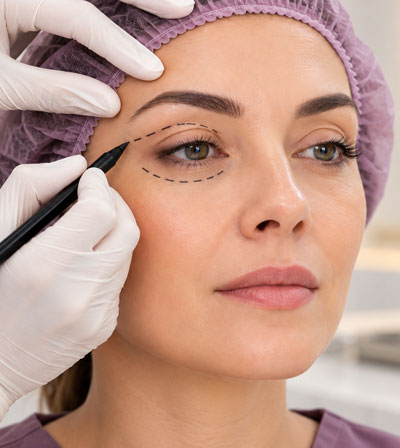
Eyelid surgery, also known as blepharoplasty, is an oculoplastic procedure used to address certain functional and cosmetic concerns involving the upper or lower eyelids. Depending on the individual's condition, eyelid surgery may help improve eyelid function, address excess or displaced tissue, or enhance the appearance of the area around the eyes.
Because the eyelids play an important role in protecting the eyes, maintaining the tear film, and contributing to facial appearance, eyelid concerns require careful assessment. Oculoplastic surgery focuses on achieving appropriate functional correction while maintaining natural-looking results.
What Is Eyelid Surgery?
Eyelid surgery involves carefully planned surgical correction of the upper eyelids, lower eyelids, or both. The procedure may involve removing or repositioning excess skin, fat, or other tissues depending on the patient's specific concern.
Eyelid surgery is not one single procedure. The surgical approach is selected according to the patient's anatomy, eyelid function, medical condition, and desired outcome.
Common Eyelid Concerns
Eyelid problems can be functional, cosmetic, or a combination of both. Common concerns that may require evaluation include:
- Drooping Upper Eyelids
Excess skin or changes in the eyelid tissues can make the upper eyelids appear heavy or droopy. In some cases, this may also interfere with the upper field of vision. - Excess Upper Eyelid Skin
Loose or redundant skin around the upper eyelids can create a tired or heavy appearance and, when significant, may contribute to functional visual obstruction. - Under-Eye Bags
Changes in the tissues around the lower eyelids can create fullness or bags beneath the eyes. These may be related to fat positioning, skin changes, or the natural ageing process. - Asymmetry of the Eyelids
Differences between the two eyelids may occur naturally or develop because of ageing, previous surgery, trauma, or other conditions. Careful assessment helps determine the underlying cause. - Eyelid Malposition
Conditions such as an inward- or outward-turning eyelid can affect comfort, eye protection, and the normal function of the eyelids and may require surgical correction. - Changes Following Trauma or Previous Surgery
Injury or previous procedures can alter the position or structure of the eyelids. Reconstructive oculoplastic surgery may be considered when appropriate.
Functional Benefits of Eyelid Surgery
In some patients, eyelid surgery is performed primarily to address a functional concern rather than for cosmetic improvement. Depending on the underlying problem, surgery may help:
- Improve visual obstruction caused by excess upper eyelid skin
- Correct certain eyelid malpositions
- Improve eyelid closure and protection of the eye when appropriate
- Address structural changes affecting normal eyelid function
- Restore or improve eyelid anatomy following trauma or previous surgery
The potential functional benefit depends on the underlying condition and should be assessed individually by an oculoplastic specialist.
Cosmetic Benefits of Eyelid Surgery
The area around the eyes can change significantly with age and other factors. Cosmetic eyelid surgery may be considered when patients are concerned about changes such as excess skin, under-eye fullness, or a tired-looking appearance.
When appropriately planned, cosmetic eyelid surgery aims to create a refreshed and balanced appearance while respecting the individual's natural facial features.
- Reduce the appearance of excess eyelid skin
- Address prominent or displaced lower eyelid fat when appropriate
- Improve the appearance of under-eye bags
- Create a more balanced appearance around the eyes
- Maintain natural-looking facial proportions
When May Eyelid Surgery Be Considered?
Eyelid surgery may be considered when eyelid changes are affecting function, appearance, or both. A consultation is particularly important if you experience:
- Upper eyelid skin that appears heavy or interferes with your field of vision
- Persistent or prominent under-eye bags
- Eyelid drooping or significant asymmetry
- Changes in eyelid position following trauma or previous surgery
- Concerns about the appearance of ageing eyelids
- Changes in eyelid function or difficulty with normal eyelid movement or closure
Not every eyelid concern requires surgery. A detailed examination is important to understand whether surgery is appropriate and which procedure, if any, would best address the concern.
What Happens During an Eyelid Assessment?
A detailed oculoplastic assessment helps identify the cause of the eyelid concern and determine whether it is primarily functional, cosmetic, or related to another condition.
During the consultation, the eyelid position, skin and tissue changes, facial symmetry, eye surface, and relevant eye function may be assessed. Your concerns, expectations, and medical history are also important when planning treatment.
Based on the findings, the appropriate treatment options can be discussed, including whether surgical or non-surgical management is more suitable.
Functional & Cosmetic Eyelid Surgery
One of the important aspects of oculoplastic surgery is understanding that function and appearance are closely connected. The eyelids need to protect the eye and maintain normal function while also contributing to facial balance and expression.
For this reason, eyelid procedures should be planned with attention to both functional preservation and natural aesthetics. The surgical technique varies from patient to patient depending on anatomy, diagnosis, and treatment goals.
Why Choose an Oculoplastic Specialist?
Oculoplastic specialists have focused training in conditions affecting the eyelids, orbit, lacrimal system, and surrounding structures of the eye. This specialised perspective is particularly valuable when an eyelid concern involves both function and appearance.
A comprehensive evaluation can help distinguish cosmetic changes from underlying eyelid or orbital conditions and guide an appropriate treatment plan.
Take the Right Step Towards Better Eyelid Care
Eyelid concerns can have an impact on both how you see and how you feel about your appearance. Whether the concern is functional, cosmetic, reconstructive, or a combination of these, the right approach begins with a careful assessment.
Dr. Akruti Desai specialises in ophthalmic plastic surgery, with expertise in functional and cosmetic eyelid care, orbital conditions, lacrimal disorders, periocular trauma, and reconstructive procedures.
Book a consultation to discuss your eyelid concerns and understand the treatment options suited to your individual needs.